When HMRC raised the volunteer mileage rate from 45p to 55p a mile, backdated to 6 April 2026, the sector celebrated. So did we. It was the first rise in 15 years, and our guide to the new volunteer mileage rate became one of our most-read posts.
But there is an elephant in the room. Most charities set their budgets and funding bids for 2026/27 based on 45p a mile. Now they need to find 55p. We are hearing from charities that are struggling to close that gap. They are not alone: the Powys Association of Voluntary Organisations has warned that many organisations planned this year’s budgets around the old rate, and Volunteer Now says charities may struggle to pay the new rate without raising prices or receiving extra funding.
Why the 55p mileage rate creates a funding gap for charities
The rate went up after budgets were set. Funding for this year was worked out at 45p a mile, but volunteers who use their own cars can now be paid up to 55p a mile tax-free, and the new rate covers the whole tax year.
Here is how that plays out for an illustrative community transport charity (not a real organisation). It has 40 volunteer drivers who use their own cars to take people to hospital appointments, the shops and lunch clubs. Each drives around 2,500 miles a year for the charity, which adds up to 100,000 miles.
At 45p a mile, those miles cost the charity £45,000. At 55p, they cost £55,000. That is a £10,000 gap that was never in the budget, and because the new rate is backdated to April, part of it has already built up.
Do charities have to pay volunteers 55p a mile?
No. The 55p rate is the most you can pay without volunteers owing tax. It is not a legal minimum. In a letter to the Community Transport Association on 3 July 2026, the Treasury confirmed that it is up to each voluntary organisation to decide how much it pays its volunteers.
The government raised the rate but has not given charities any extra money to pay for it. The Community Transport Association, which represents volunteer drivers across the UK, is now asking for that funding
How can charities fund the gap in volunteer mileage?
Option 1: Ask your funders to cover the difference
You are not asking for a favour. The rate changed after you applied, and the Community Transport Association’s position is that grants and contracts from government and independent funders should reflect the new rate.
- Work out your exact gap. Take every mileage claim since April and multiply the miles by 10p. Salisbury City Council did exactly this for its own staff mileage and costed the backdated increase at £122.40 for April to June. A precise figure is far easier for a funder to say yes to than a general request.
- Explain the timing plainly. Your bid used 45p because that was the rate when you applied.
- Plan for next year now. The government will set out mileage rates beyond 2026/27 at the Budget on 28 October, and Volunteer Now notes there may be another increase from April 2027. Make sure your next bids use the latest rate.
Option 2: Choose to pay a lower rate
Any rate up to 55p is tax-free for volunteers, so you can keep paying 45p or settle somewhere in between. Volunteers will not owe any tax either way.
The trade-off is that your volunteers may be left out of pocket. The Community Transport Association found that at one point, 65% of community transport operators were facing lower recruitment and retention of volunteer drivers, who were worried about being left out of pocket at 45p. Volunteer Scotland urges organisations to move to 55p, on the principle that volunteers’ out-of-pocket expenses should be covered.
If you go this way:
- Be open with your volunteers. Tell them what rate you are paying and why.
- Write it into your volunteer expenses policy, so every driver is treated the same.
- Set a date to review it. The Community Transport Association notes that some operators will move to the new rate when they can afford to. A review after the Budget, or when your next grant is agreed, keeps that door open.
What happens next with volunteer mileage rates?
The government has committed to setting out its review of mileage rates for future years at the Budget on 28 October 2026. We will cover what changes, and what it means for your volunteers, in Budget week.
Whatever is announced, this year’s gap between 45p and 55p will not go away on its own.
A note from vHelp
Whichever option you choose, it starts with knowing exactly how many miles your volunteers drive and what you have paid them. vHelp is a UK-based payment platform that reimburses volunteers directly to their bank account within 24 hours, with a full audit trail of every claim. See how vHelp handles volunteer expense reimbursement.
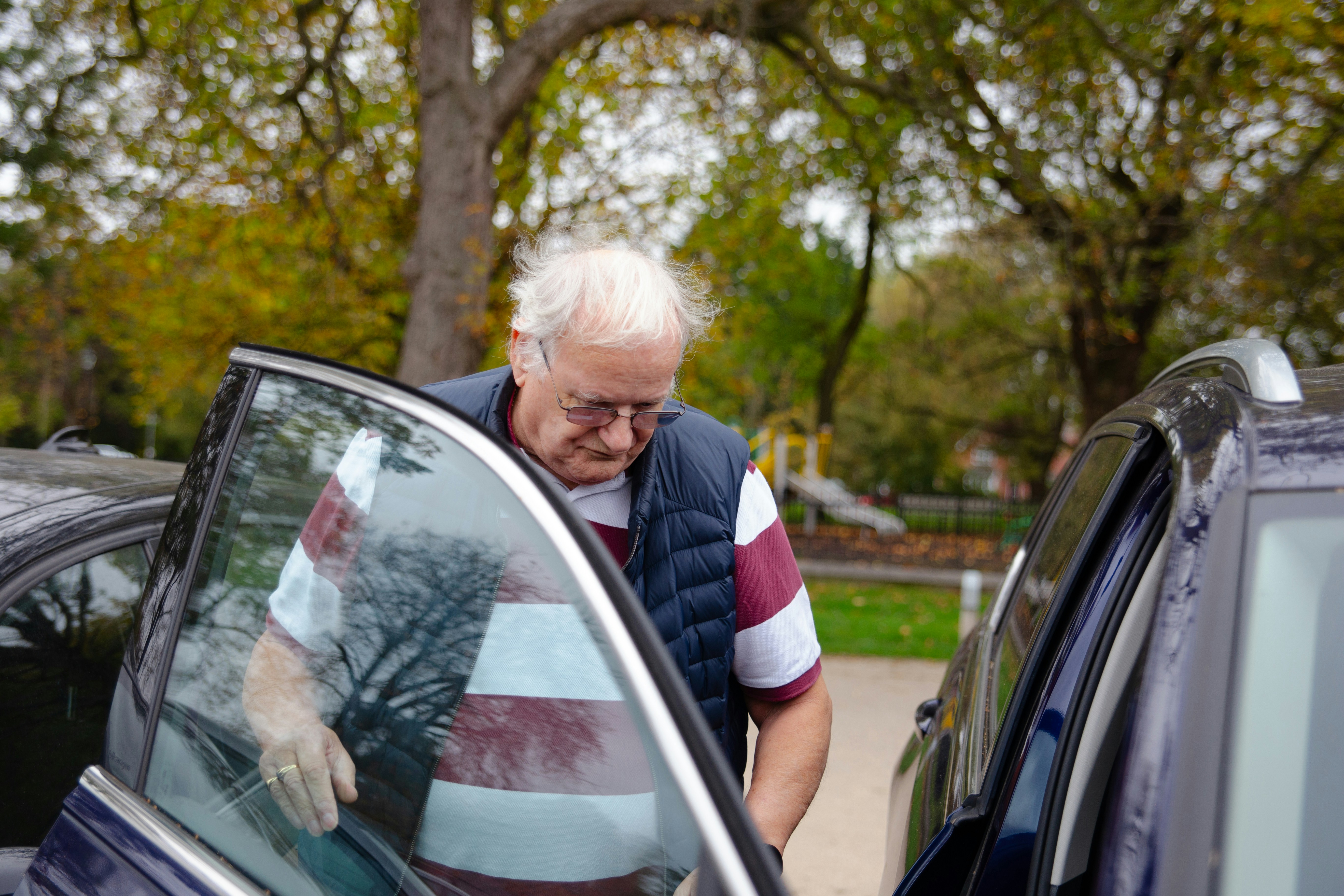
Photo by Centre for Ageing Better on Unsplash